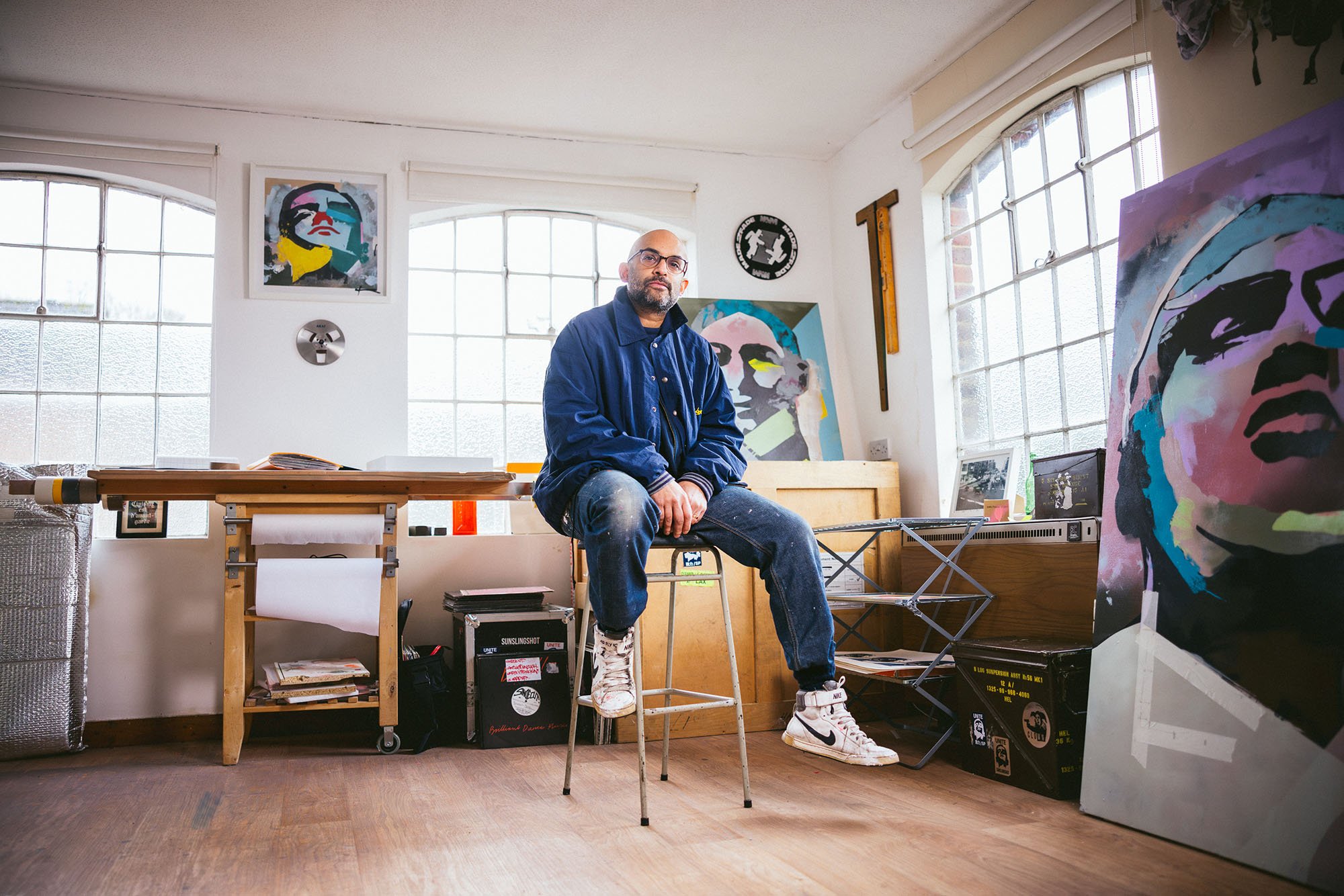
“LIVE:WELL: (INTRODUCTION)
IN HOUSE VIEWING
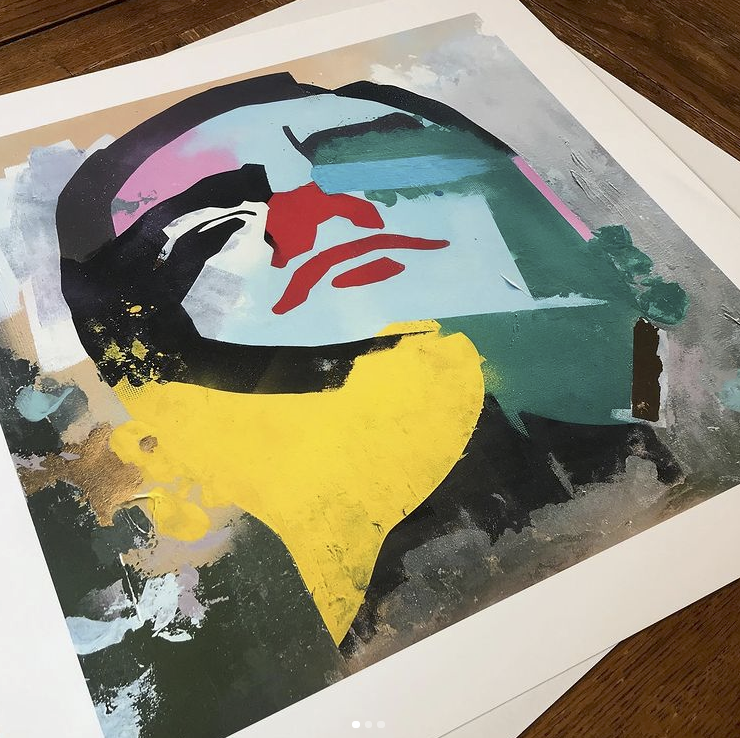
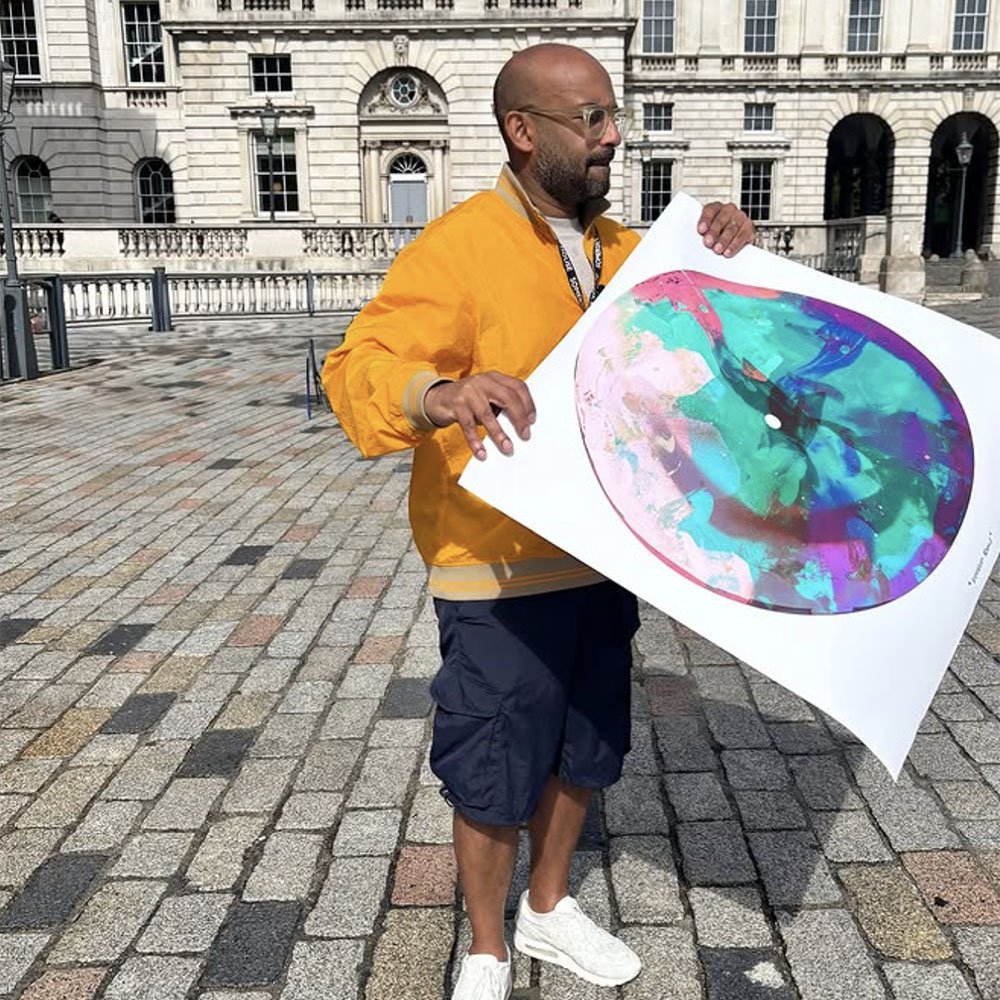
This unique and important multi-disciplinary body of work transforms artist Sunil Pawar’s dynamic paintings into animated works that reflect his journey of dealing with a rare form of Epilepsy, portraying both the challenges of temporal “blips” and his enduring strength through striking canvas paintings, audio, photography and film.


‘LIVE:WELL’ & INTRODUCTION FILM
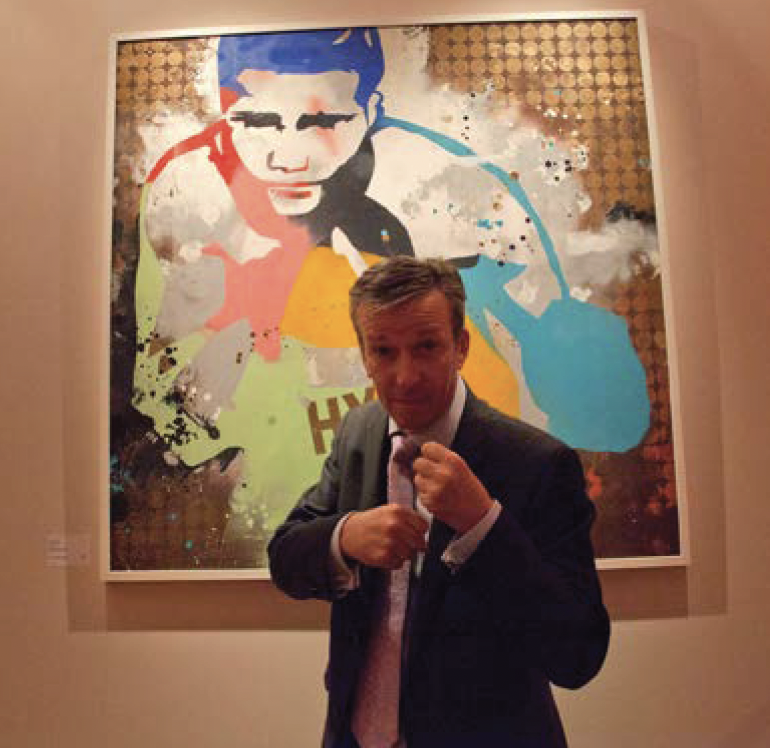
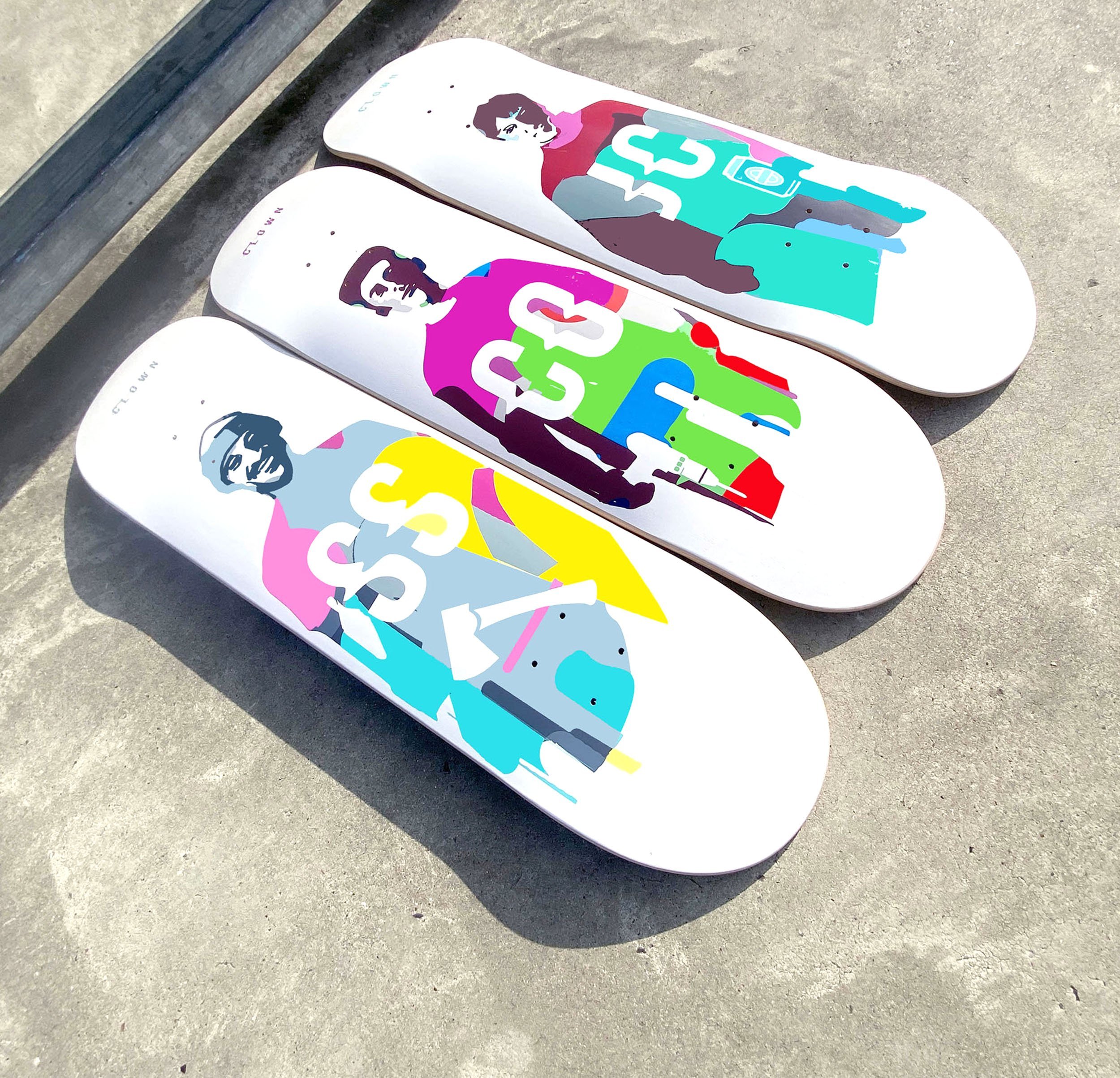
For the majority of his life, London based artist and DJ Sunil Pawar’s self imposed remit has been to create positive depictions of power and strength, exploring the parallels and similarities between classic sporting pose with themes of everyday battles and survival. The battles that we all face on a daily basis.
Sunil’s life experience is resonant throughout this latest body of work which provides a window into the artist’s challenges.
At the age of Nineteen, Sunil Pawar was diagnosed with epilepsy. It was 1991, before the internet. He was diagnosed, given a pamphlet, some tablets and sent on his way.
His first medication led to Stevens-Johnson Syndrome, a severe reaction to the drug. A large part of the initial process of controlling epilepsy involves trying different medications and dosages until the right combination is found. Every case is different.
A few months after recovering, Sunil was at college studying Design and Illustration away from London. He was still able to work and DJ regularly (contrary to virtually every time he mentions this, when someone inevitably asks whether it was the strobe lighting in clubs. It wasn't). However, he would often space out. His work was seriously affected, and the side effects from the medication were numerous, leading to constant anger and frustration.
During a trip to India to visit his extended family, Sunil travelled back to his ancestors' village. He visited the local temple for a ceremony and, at the end, the elderly priest quite simply told him, through translation, that he had too much heat in his body and should try to find a way to cool it down. Then, he said, he could "LIVE WELL".
To have the condition simplified in such a way, rather than wrapped up in medical jargon and confusingly long Latin names and chemical terms, was remarkable. While the message was not medically endorsed, it served a purpose.
Sunil was fortunate to be referred to Professor Ley Sander at the UCL Institute of Neurology's Clinical and Experimental Epilepsy department in London.
A new medication had just been approved by the US Food and Drug Administration, and Sunil was put on it. He is still taking it today. The dosage has needed to be adjusted from time to time, but for the most part it controls his seizures.
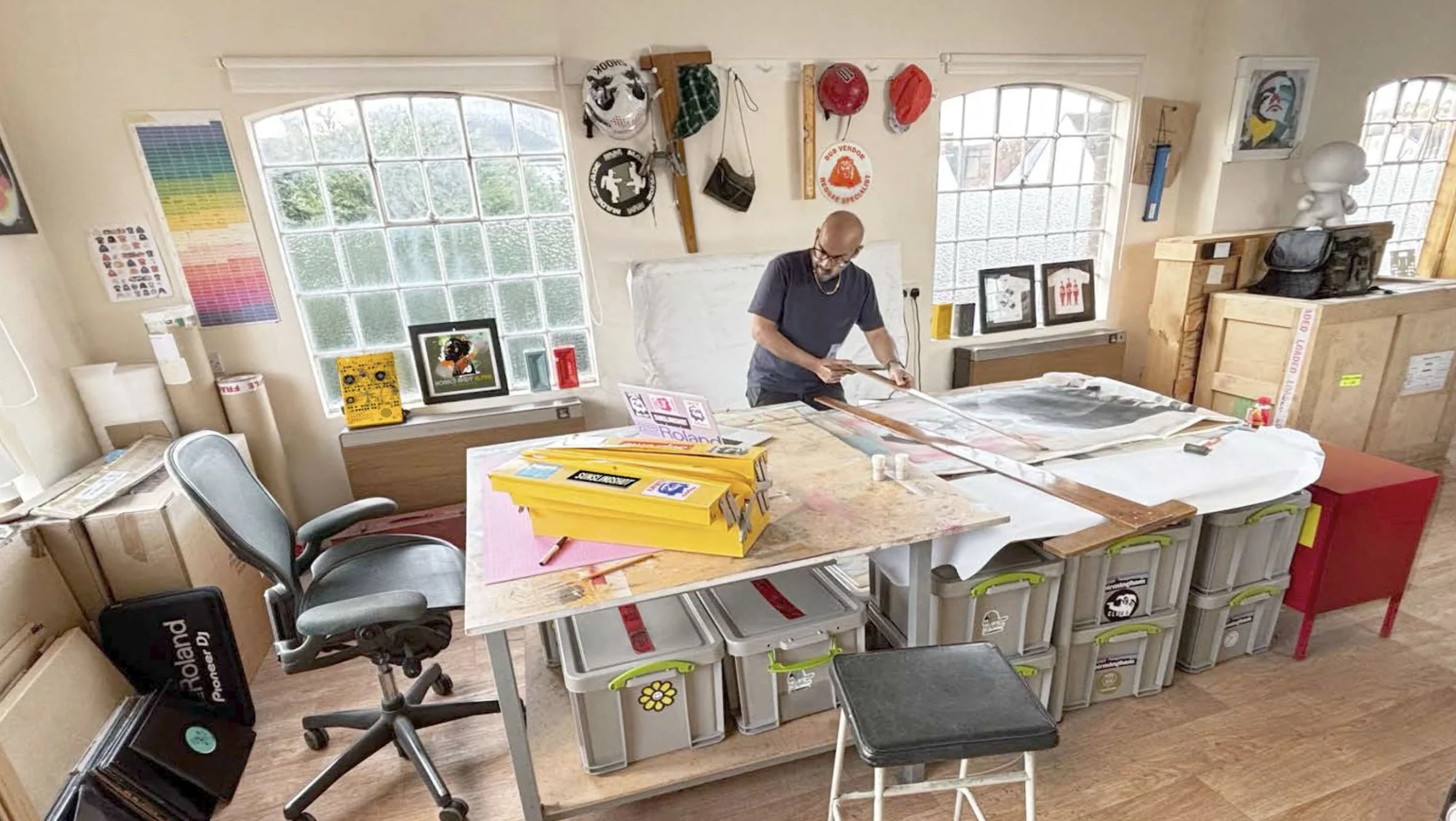
Today, Sunil runs his own multidisciplinary studio as an artist and art director in London, working with galleries and brands worldwide.
He sees his creativity as "heat", while his medication acts as a cold sprinkler. It has always been a three-way relationship: him, the heat and the cold, battling against each other, or perhaps working together. He never quite knows which.
Sunil's paintings carry a narrative of overcoming adversity: the fights and struggles that everyone faces on a daily basis, both big and small. It is something that resonates with many people. His own story has always been present within his work, but in a more cloaked manner. For his latest project, however, he wanted epilepsy to come slightly out of the shadows.
For the most part, his condition is controlled. However, another symptom is that he experiences momentary "blips" marked by a loss of time and spatial awareness, a sense of derealisation and freefalling. These episodes can last anywhere from seconds to hours. He remains able to function and go about his day, and someone speaking to him would not necessarily realise that anything was happening.
This loosening of his neural anchors can be isolating and frightening, but he knows that the episodes will pass eventually.
Sunil created a body of work entitled LIVE WELL, relaying this experience of "freefalling" through painting, film and audio. The project was created in collaboration with Hollywood film composer Paul Haslinger of Tangerine Dream and film director Loday Gonpo.
Epilepsy remains virtually absent from public discourse, so the positive response to LIVE WELL has been both encouraging and personally cathartic.
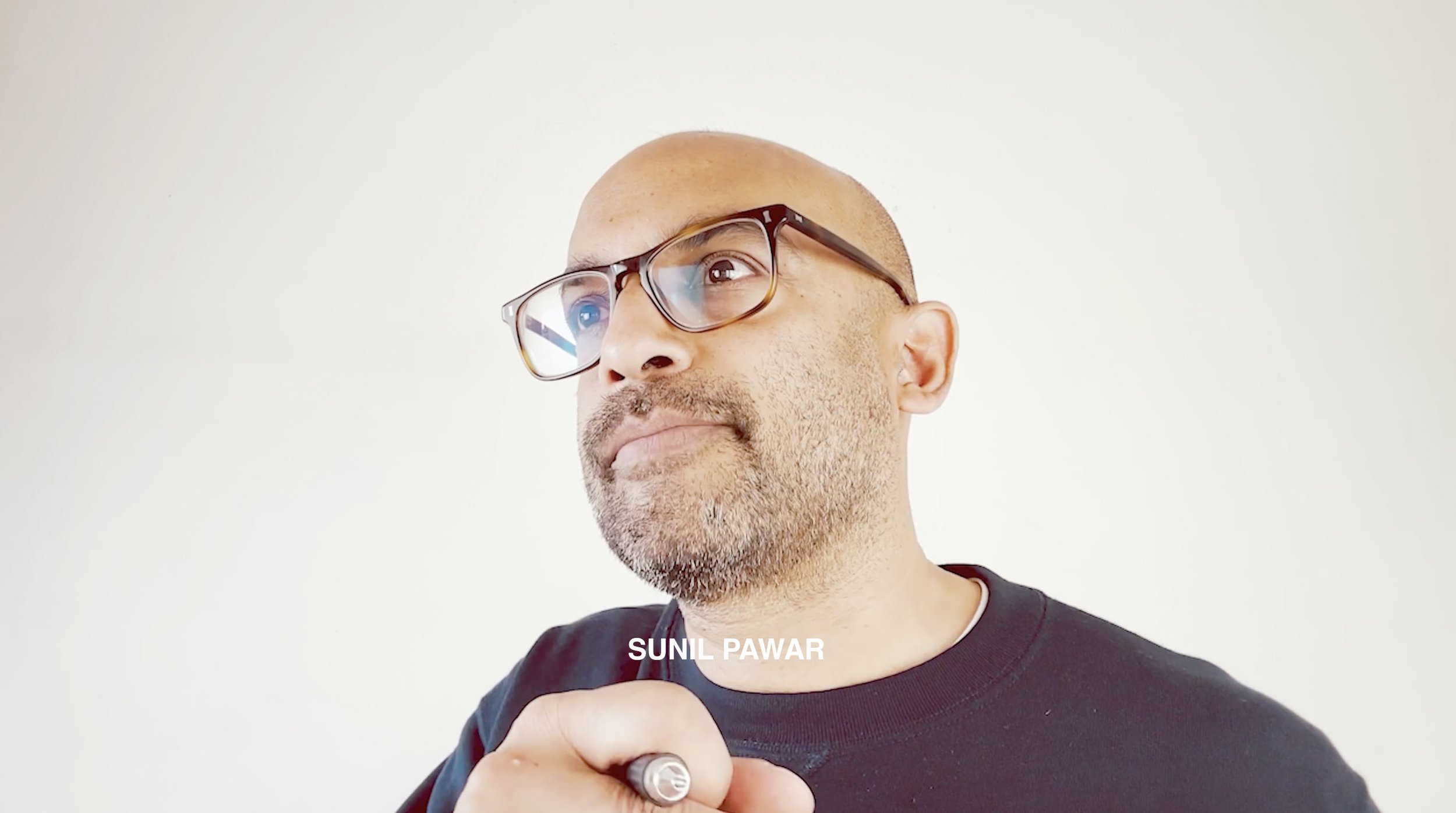
SUNIL PAWAR
His multidisciplinary practice moves fluidly between institutional contexts, galleries, and public-facing collaborations, bridging art, design, fashion, audio and future-facing technologies.
Pawar has exhibited internationally, including The Tate Modern, Museo d’Arte Contemporanea di Roma, Stern Pissarro Gallery, and Somerset House.
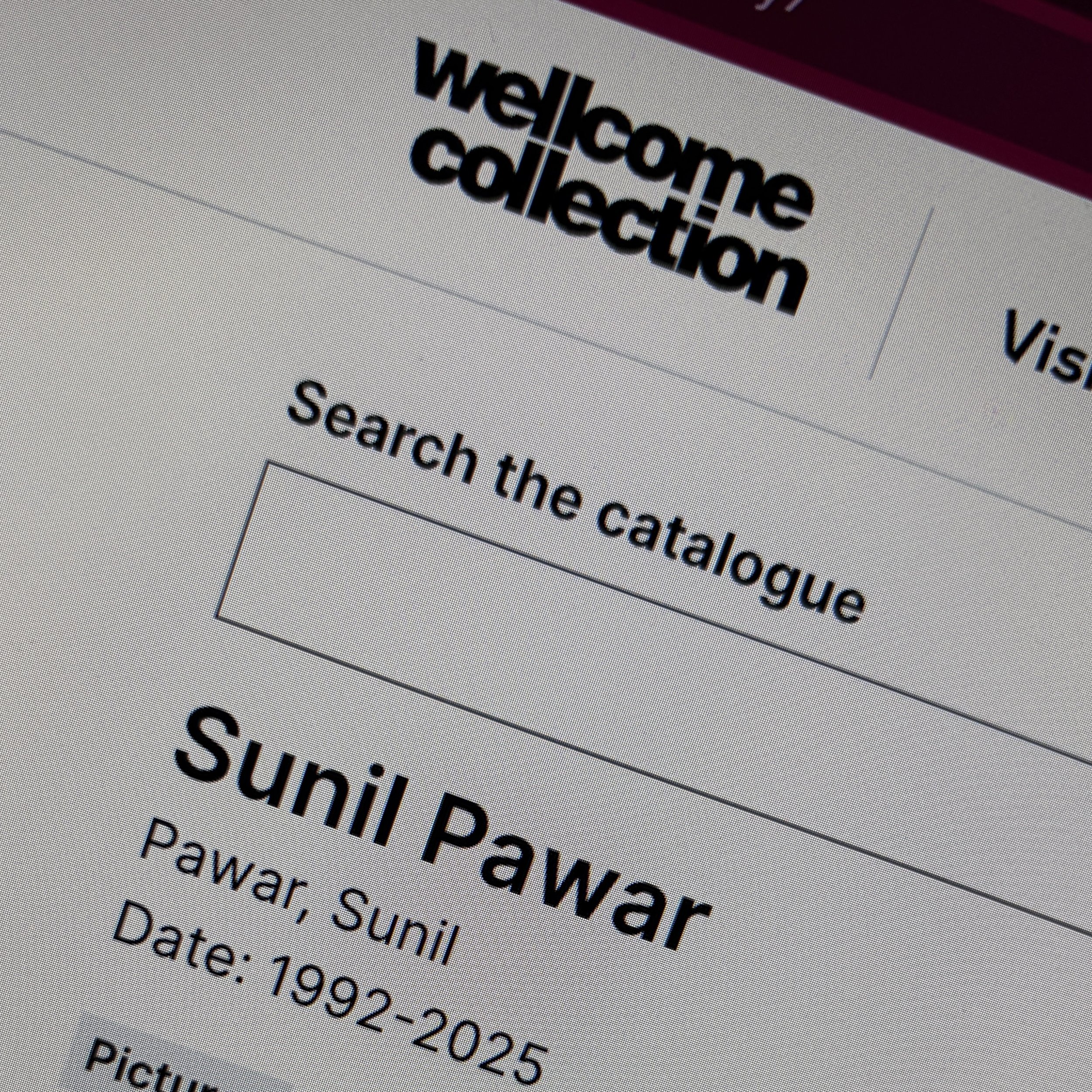
Artworks in the permanent collection of the Wellcome Collection, London.
At the age of fifteen, Pawar walked into the North London studios of Soul II Soul with a school bag full of paintings and sold them all. This early experience set the blueprint for his practice. Today, his work continues to fuse disciplines while maintaining authenticity, craft, and cultural relevance.
ARTWORK: SUNIL PAWAR
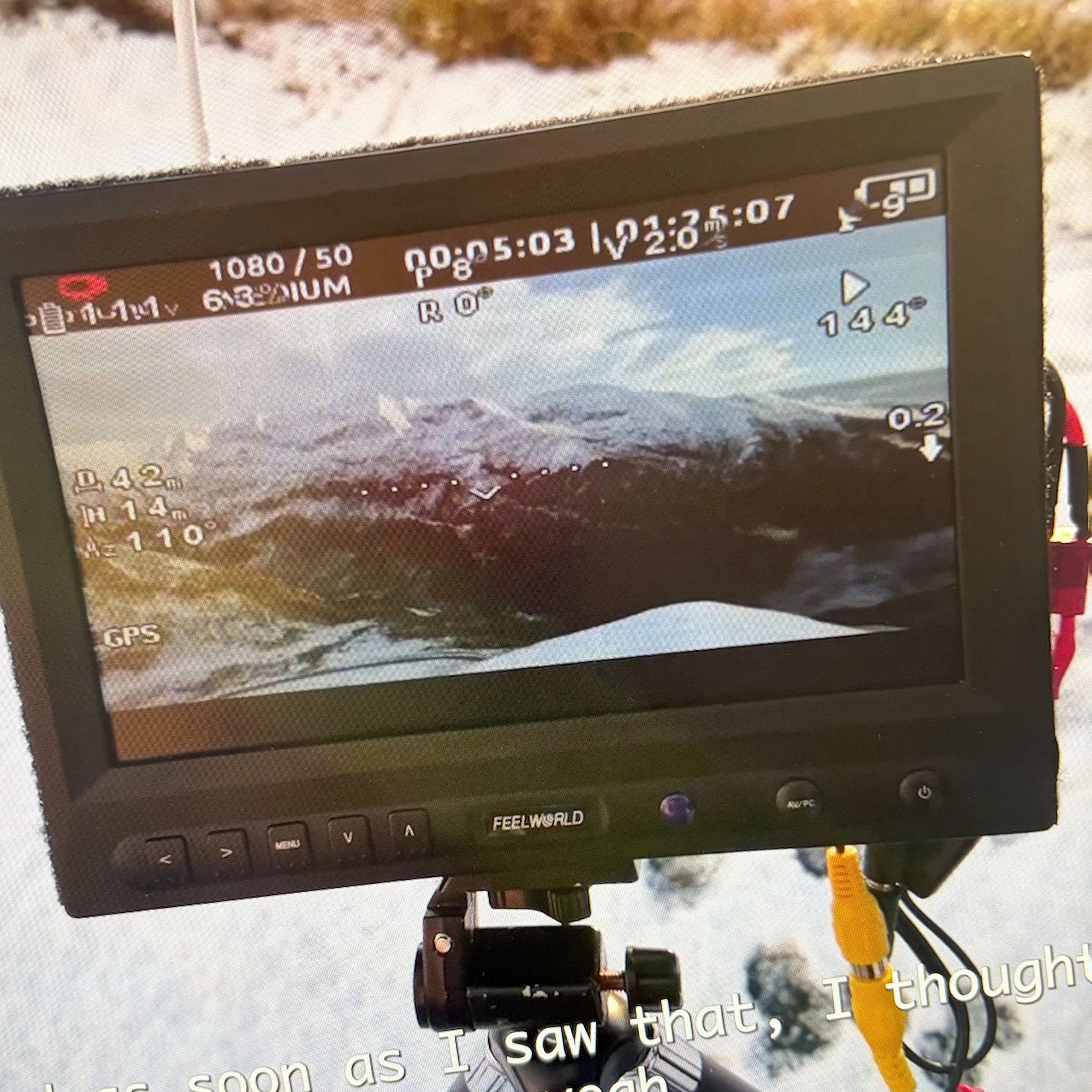
UNIT AERIAL CAMERAMAN: LODAY GONPO
SOUNDTRACK : PAUL HASLINGER
SPECIAL THANKS TO: PAOLO BUGLIARI GOGGIA, PROFESSOR LEY SANDERS, head of the department of clinical & experimental epilepsy at UCL Queen Square Institute of Neurology. London
© 2025
For further information please contact Kaori at Sunil Pawar Studio HERE
Sunil Pawar Studio. New Wing, Somerset House The Strand London W1
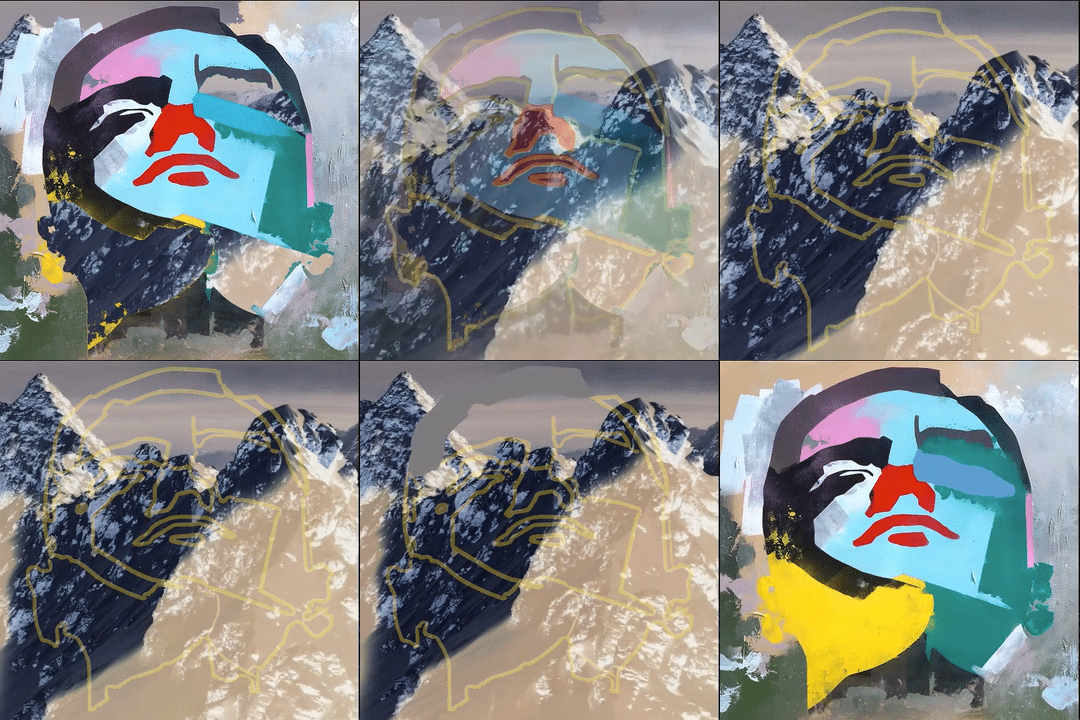
LIVE WELL FILM FORMAT DIGITAL FILE 5 minute Digital film (MPEG-4 AAC H.264)
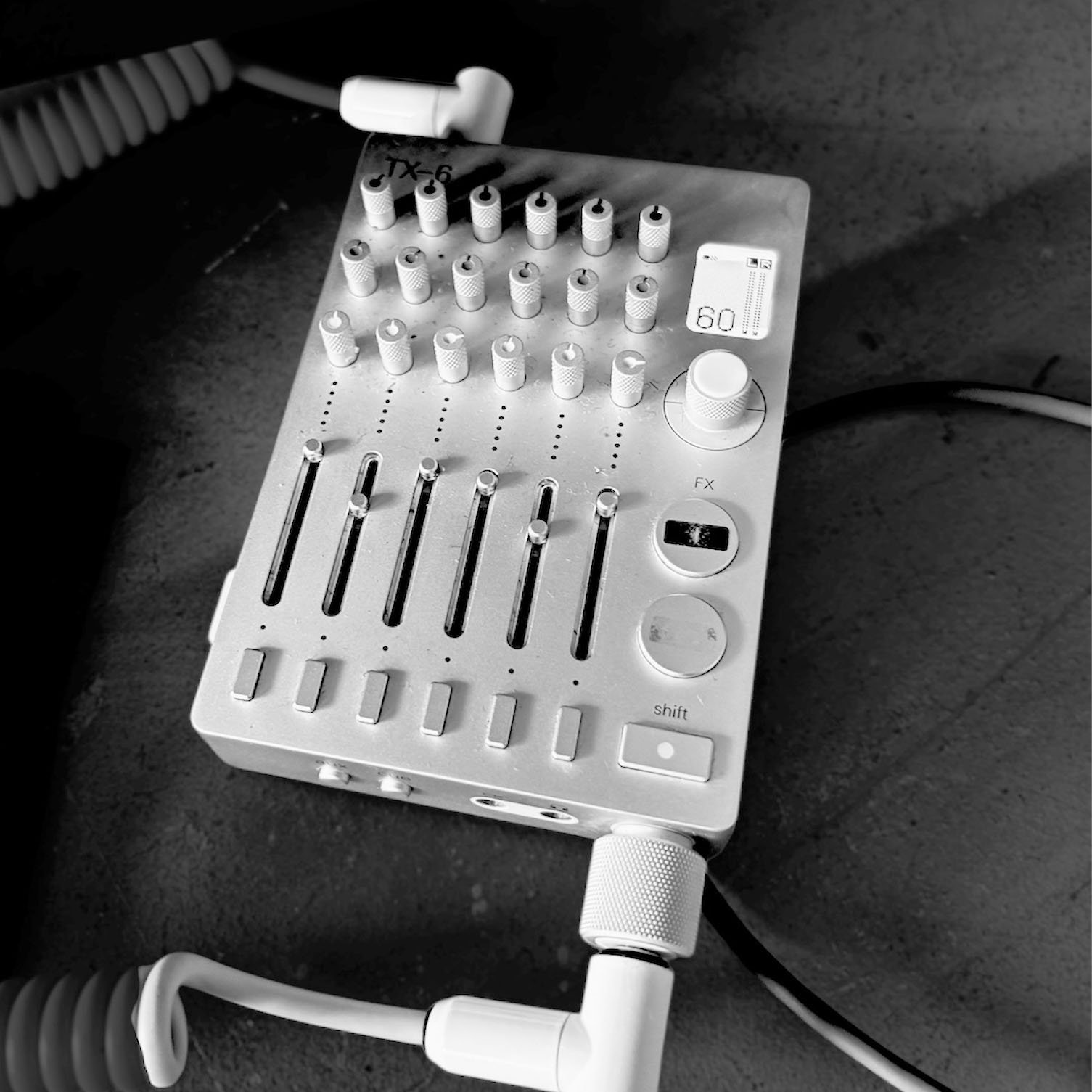
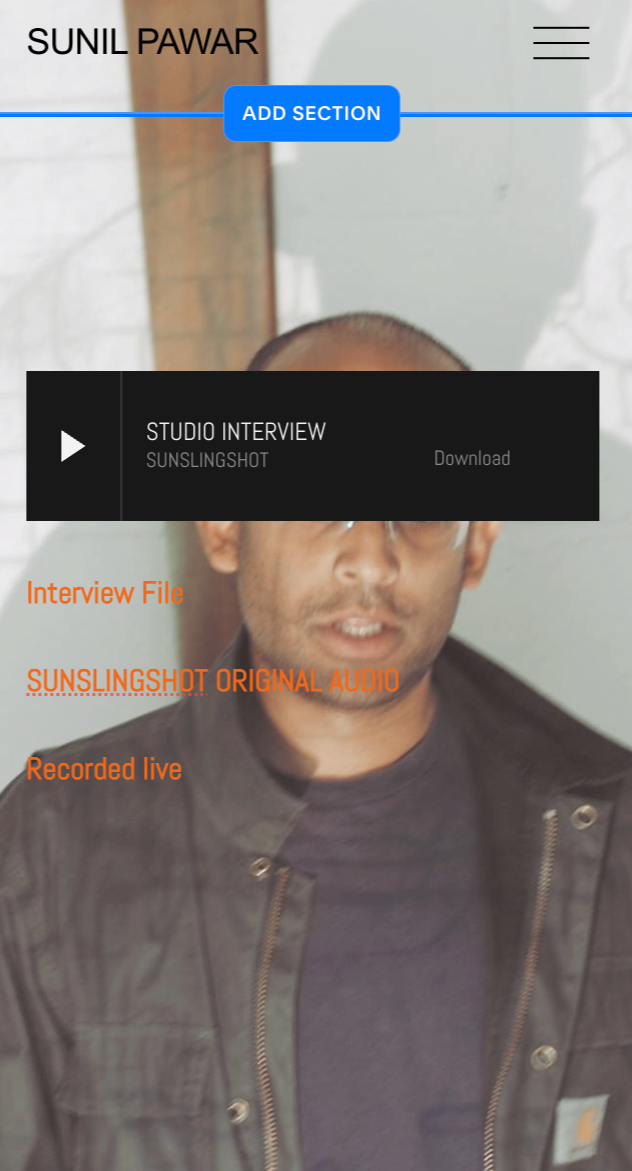
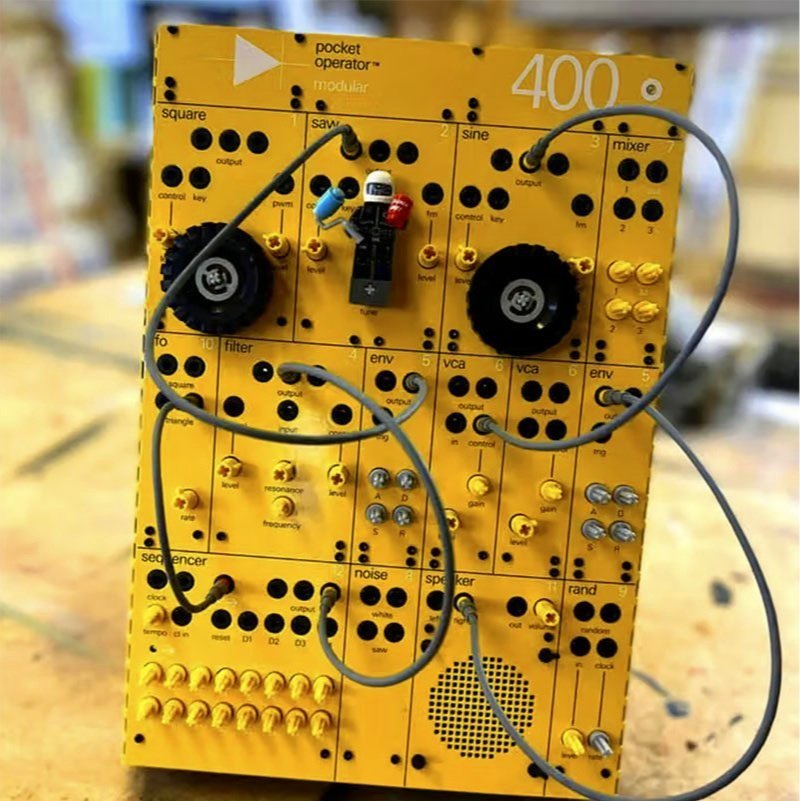
AUDIO RECORDING / MIX Intervew conducted in the Artist’s studio November 2025 over sound bed of Dubplates recorded on OP-Z, OP-1 Field, TX-6 units by Teenage Engineering. FORMAT DIGITAL WAV FILE
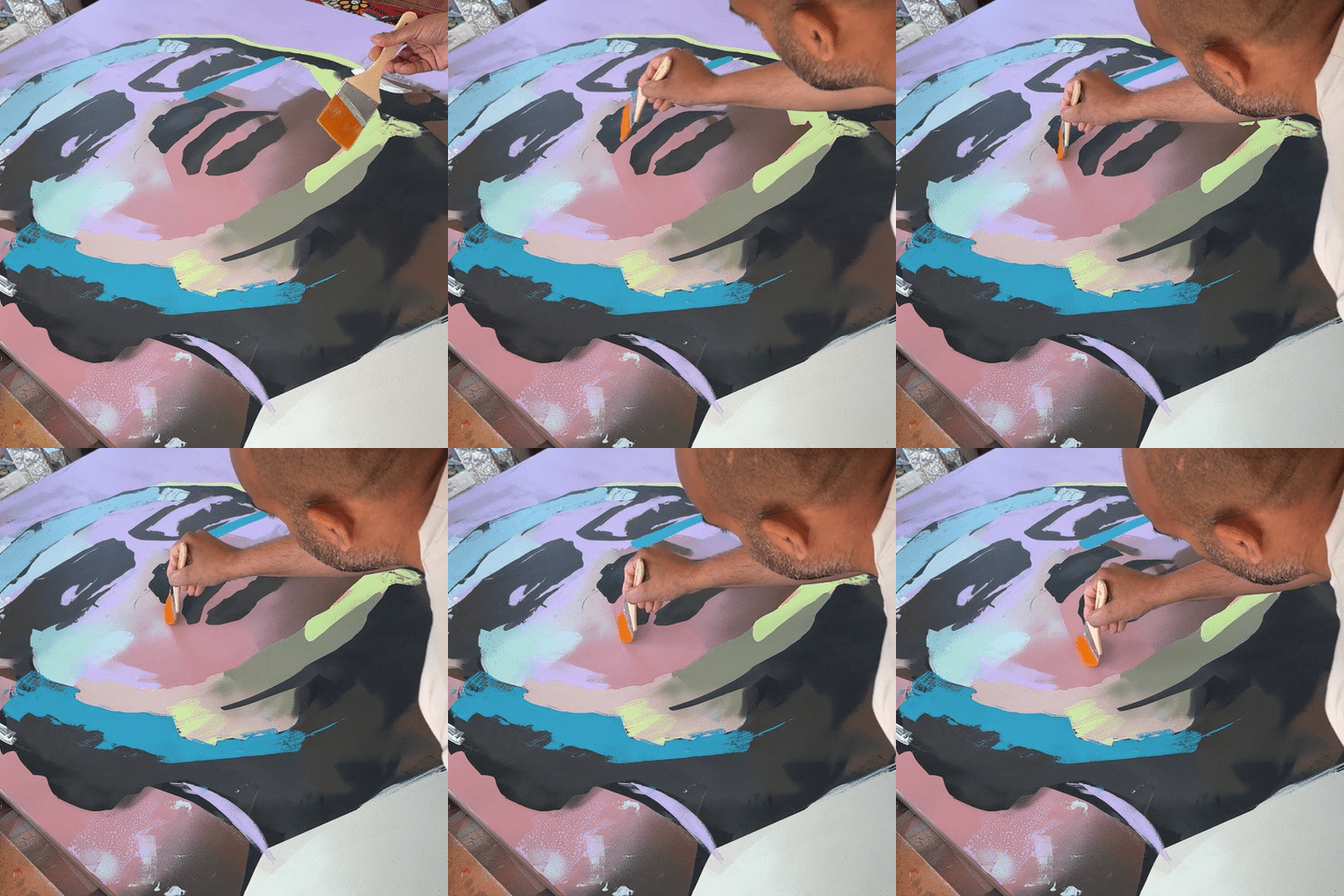
PROJECT INTRODUCTION 5 minute Digital film (MPEG-4 AAC H.264)
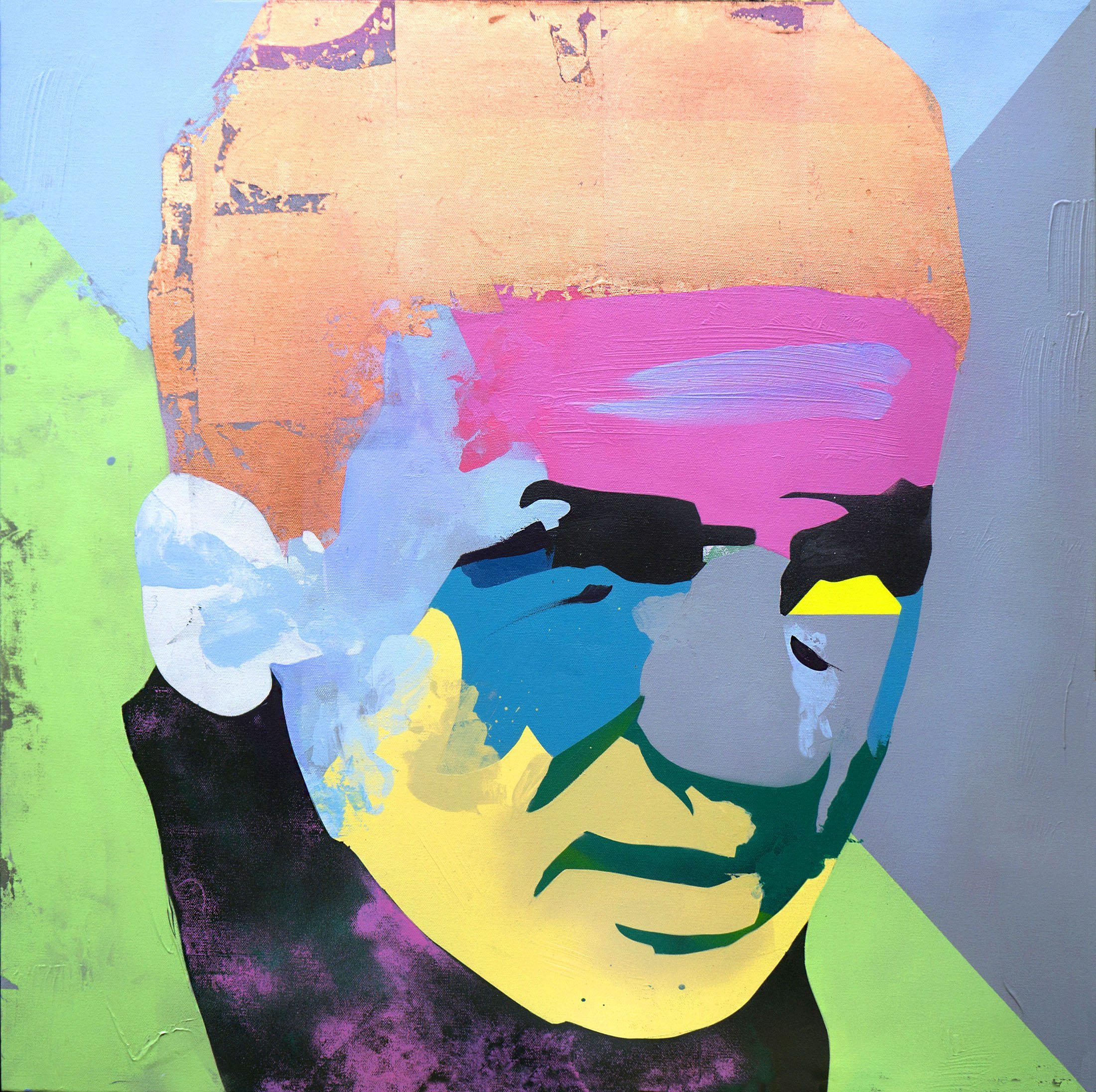
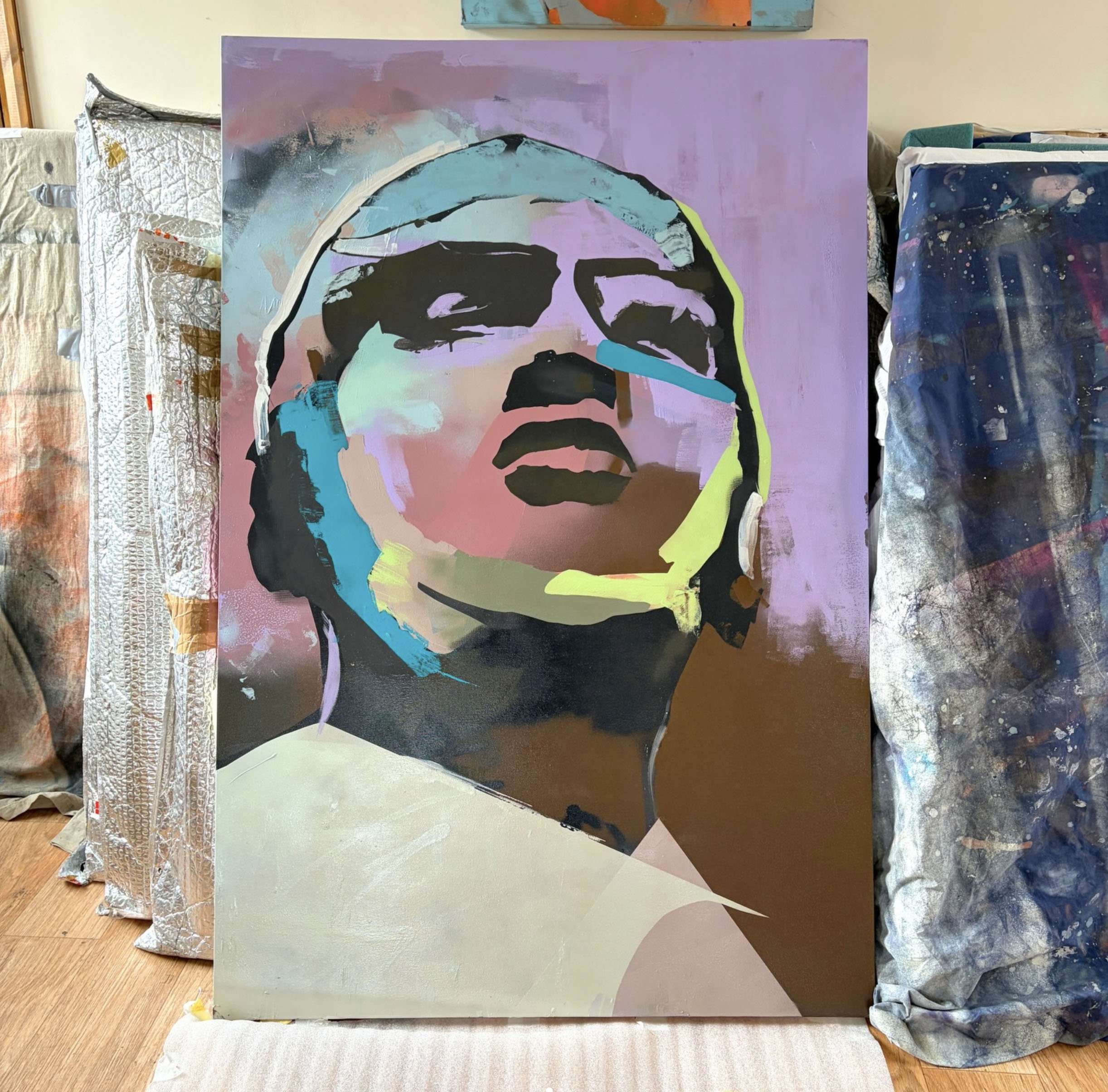
'WARRIORS DANCE' Acrylics / Spray on Canvas 78cm x 78cm
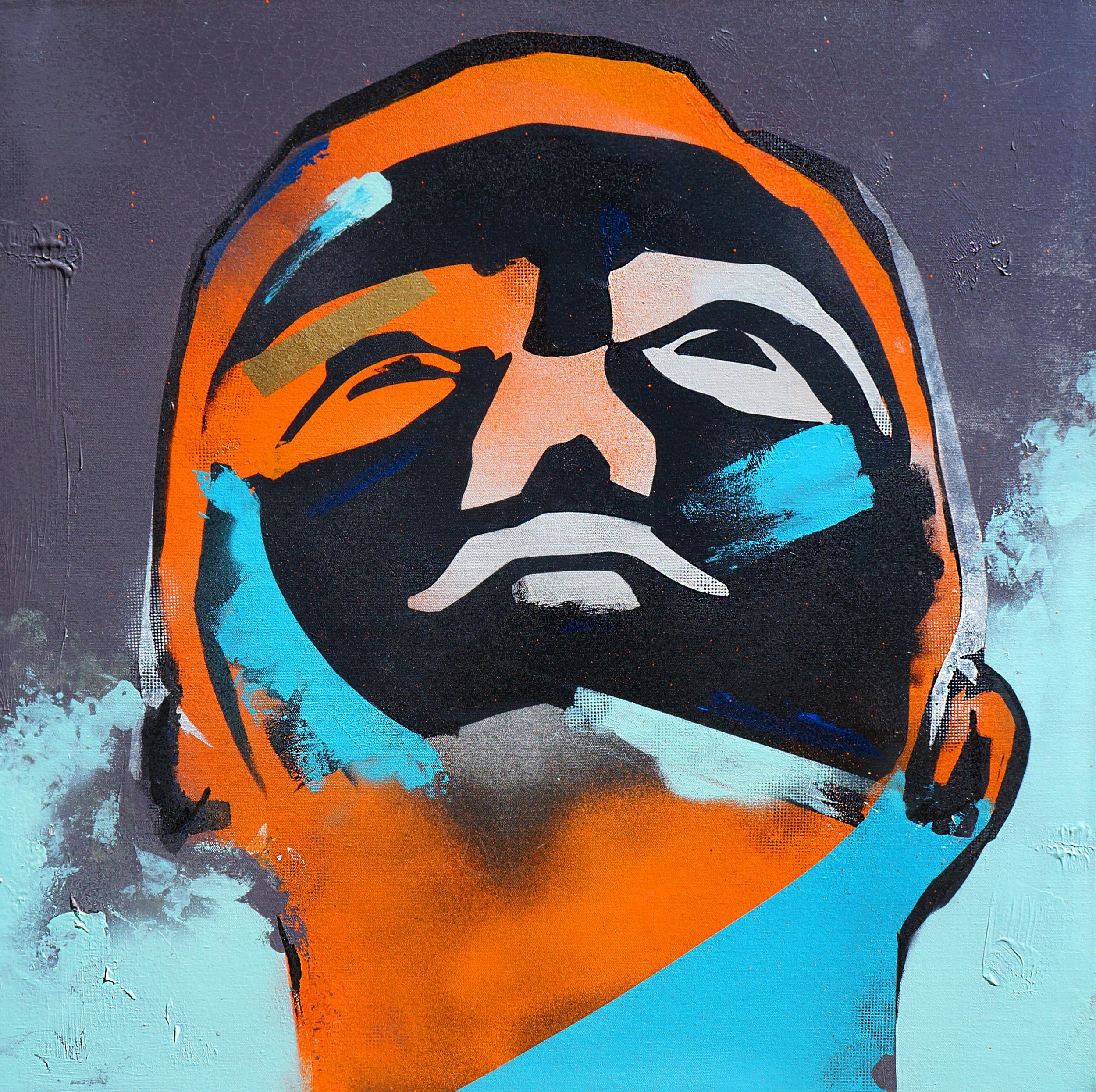
'ODIN' Acrylics / Spray on Canvas 78cm x 78cm
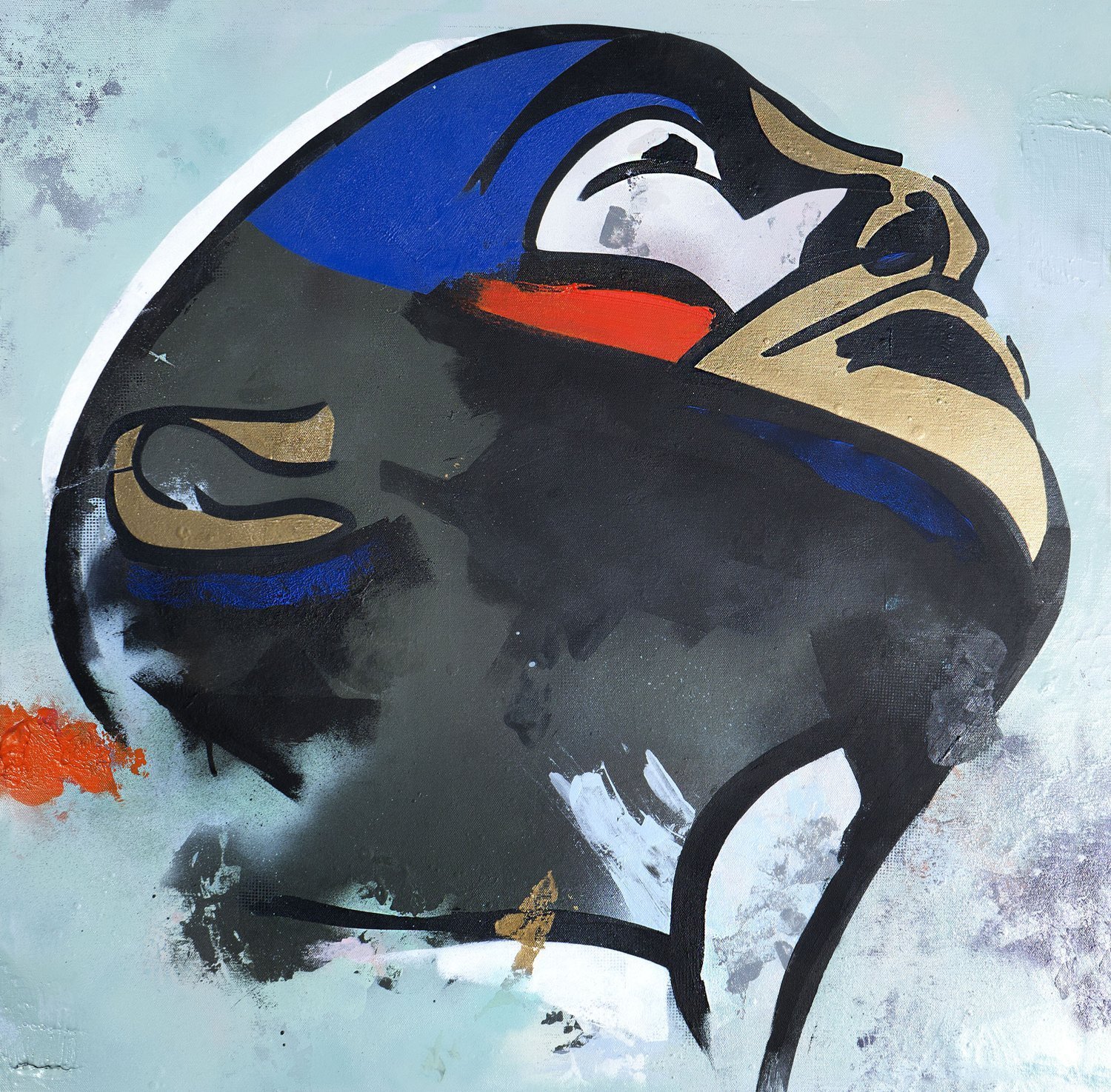
'TROOP' Acrylics / Spray on Canvas 78cm x 78cm
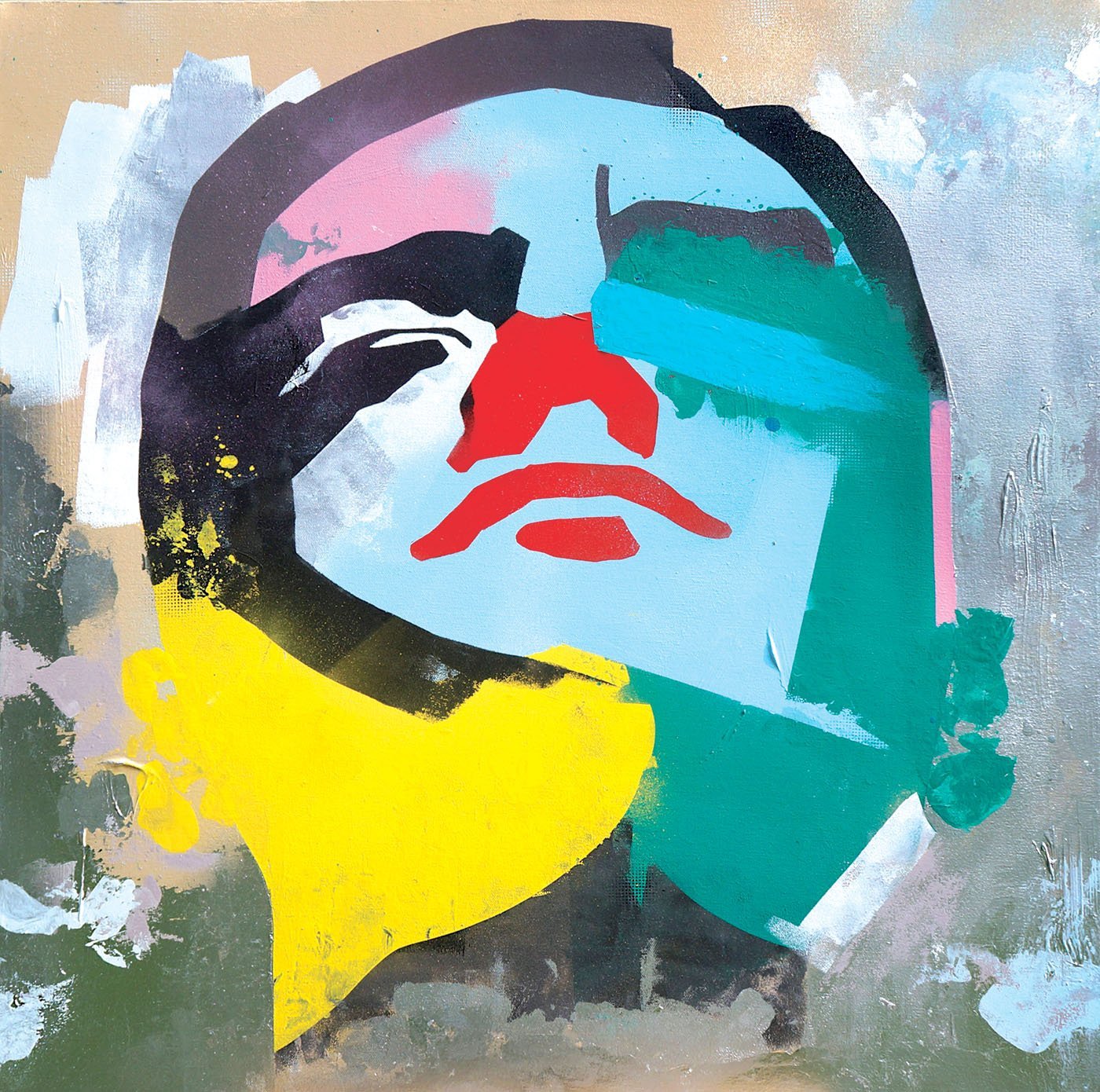
'ZEUS' Acrylics / Spray on Canvas 78cm x 78cm
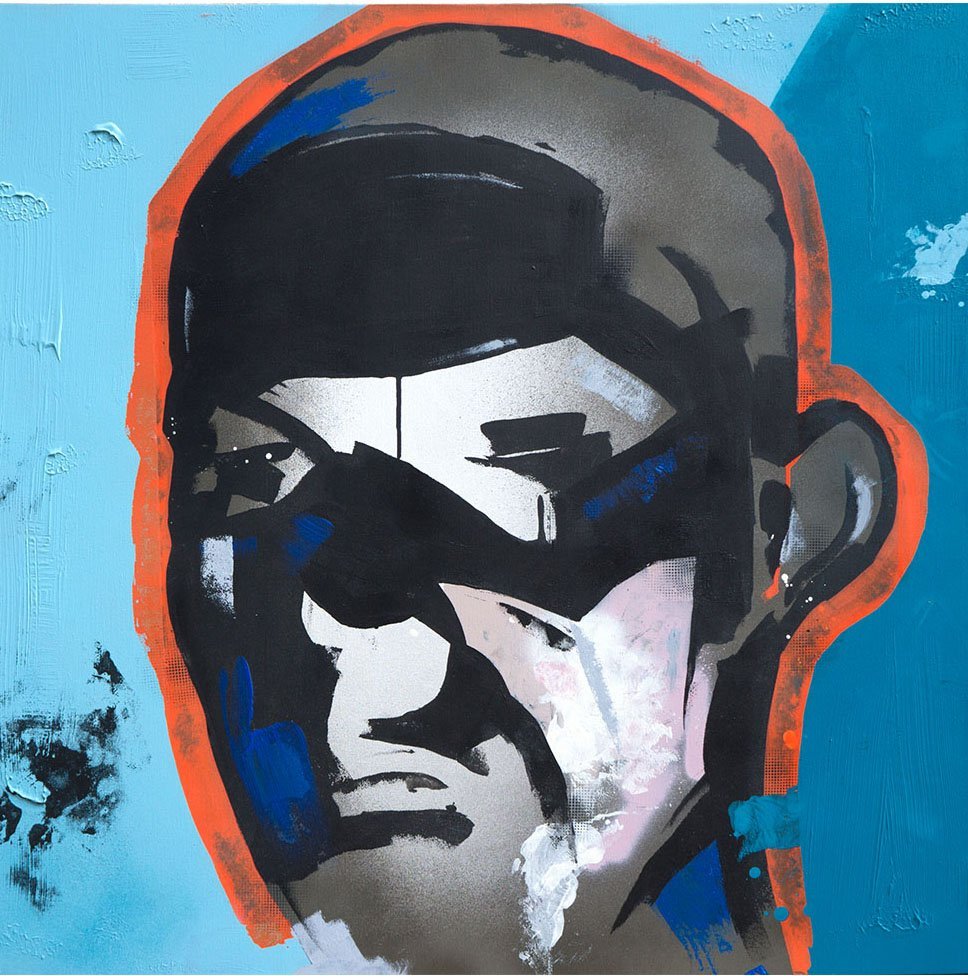
'NOW' Acrylics / Spray on Canvas 78cm x 78cm
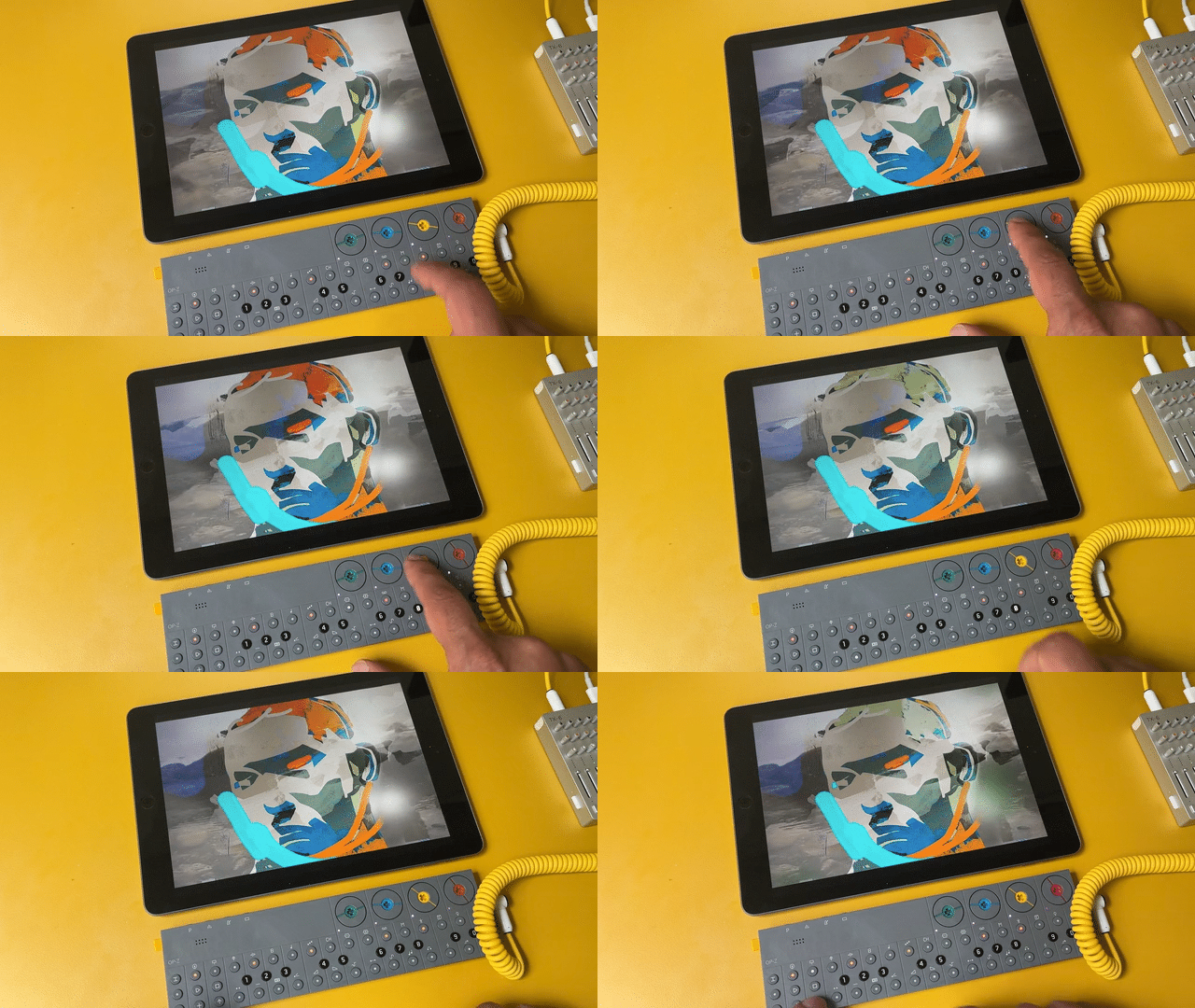
MIDI CONTROL ARTWORK CAPABILITIES Teenage Engineering OP-Z / Midi Display Unit
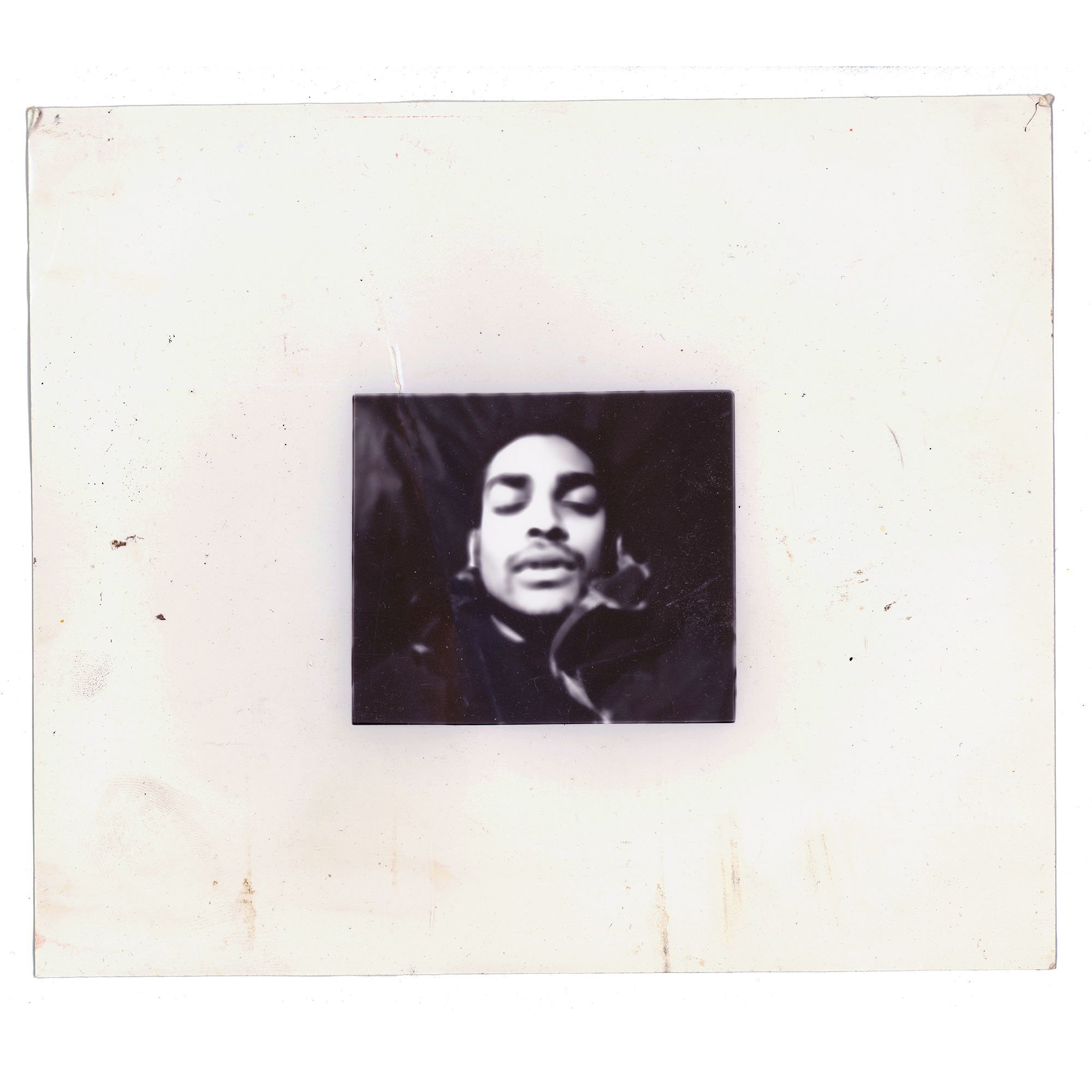
PORTRAIT I FORMAT: PHOTOGRAPH
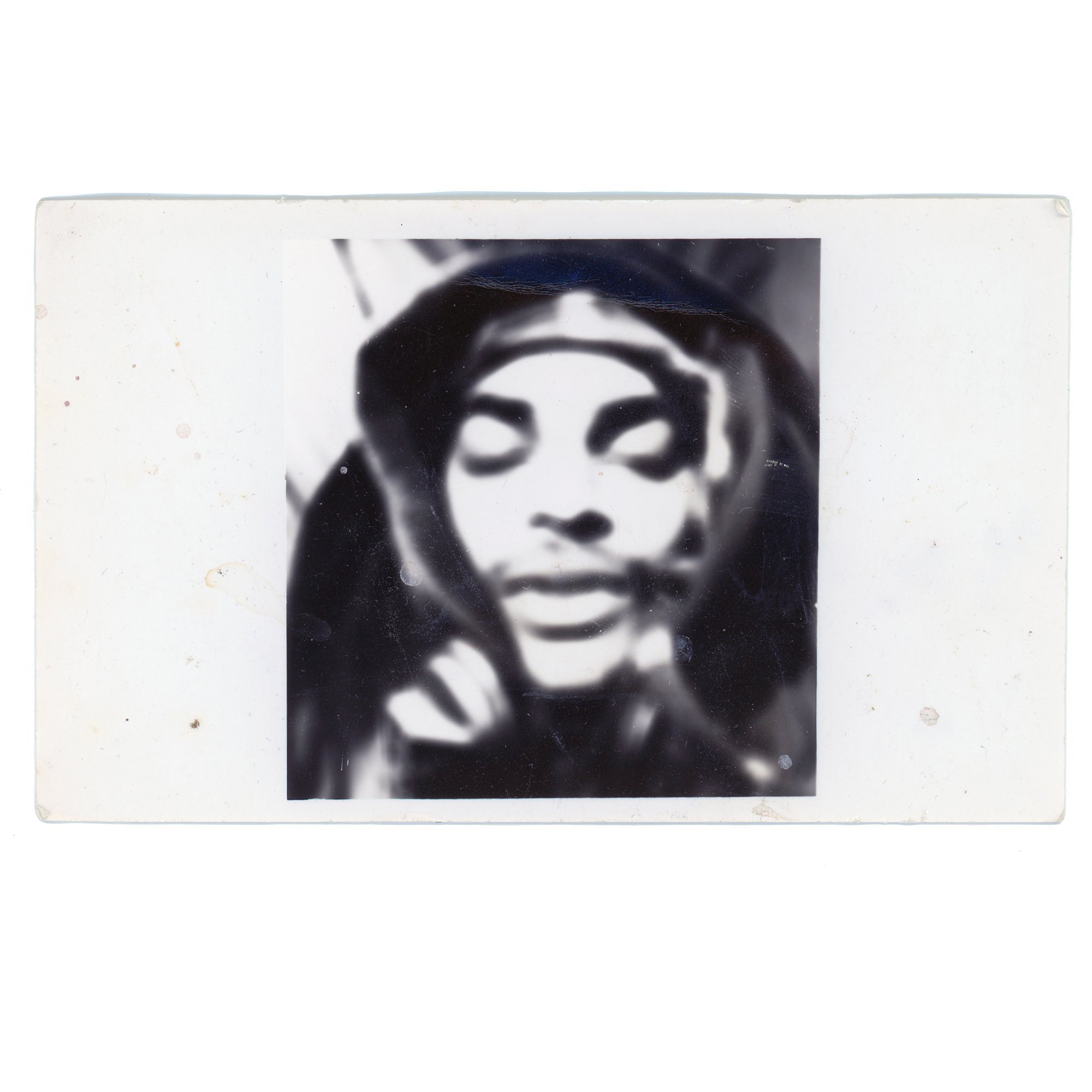
PORTRAIT II FORMAT: PHOTOGRAPH
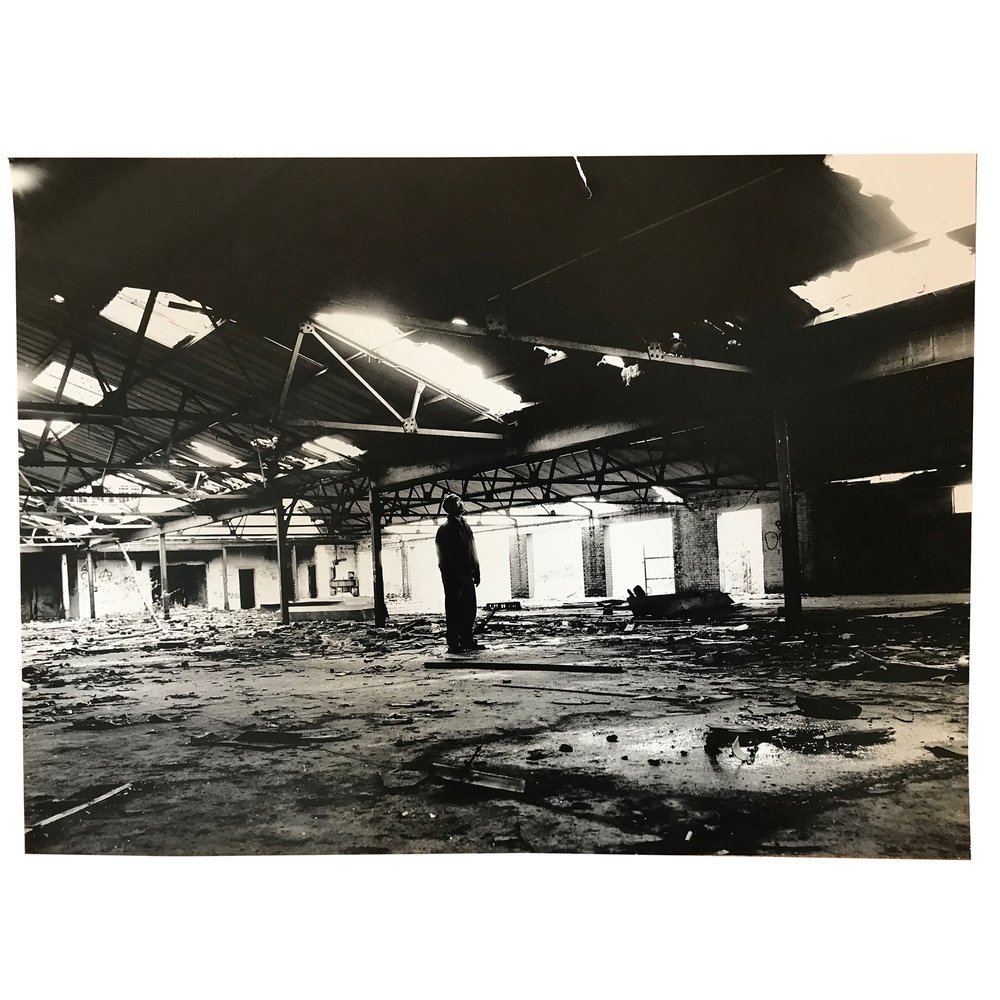
PORTRAIT III FORMAT: PHOTOGRAPH
ADDITIONAL IMAGES